





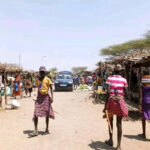


TURKANA – Turkana County has recorded the highest prevalence of Hepatitis B in Kenya at 16 per cent, more than five times the national average of 3 per cent, according to researchers from the Kenya Medical Research Institute (KEMRI), raising fresh concern over the silent spread of the disease in the country’s largest county by land area.
The findings, released as Kenya joins the rest of the world in marking World Hepatitis Day, indicate that an estimated 1.9 million Kenyans are living with chronic hepatitis, many without knowing they are infected.
According to Dr. Missiani Ochwoto, a medical research scientist and virologist at KEMRI, hepatitis continues to spread largely unnoticed because many infected people show no symptoms.
“Most people don’t know they are infected,” Dr. Ochwoto said, warning that delayed diagnosis often leads to severe liver disease.
He added that Kenya’s response continues to be hampered by stigma, low awareness, inadequate diagnostic capacity and limited funding, leaving hepatitis programmes lagging behind those targeting HIV, tuberculosis and malaria.
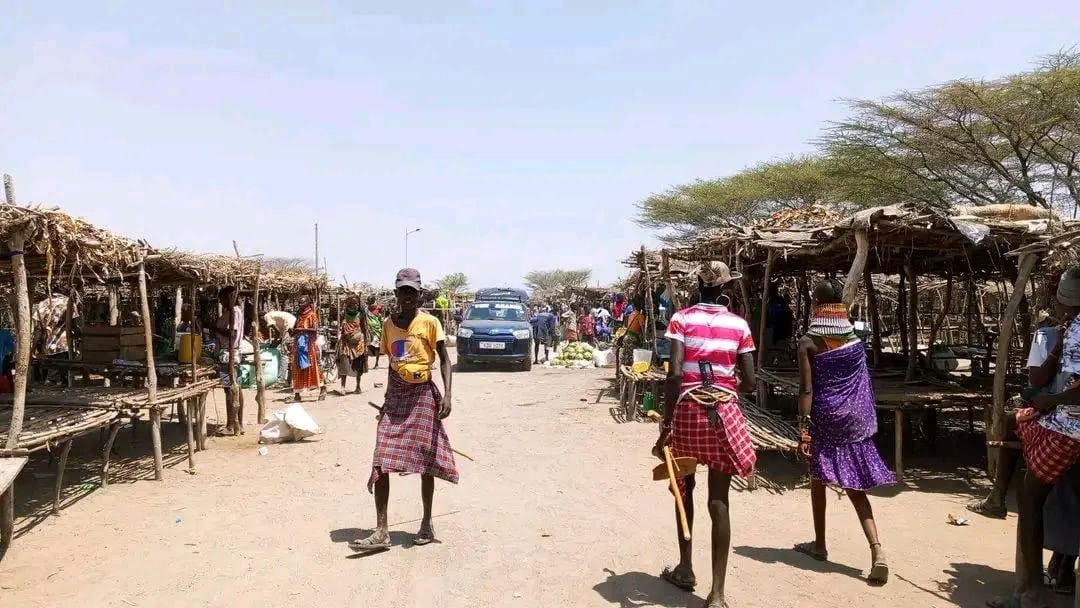
For Turkana County, the findings underscore a growing public health challenge. The county spans more than 77,000 square kilometres, with many communities located far from hospitals capable of conducting hepatitis screening or providing long-term treatment.
Health officials say the vast distances, nomadic lifestyles and limited access to healthcare increase the need for community-based screening and vaccination campaigns.
The World Health Organization (WHO) says viral hepatitis remains one of the world’s deadliest infectious diseases despite being preventable and treatable.
“Hepatitis: Let’s break it down,” the WHO says in this year’s World Hepatitis Day campaign, urging governments to remove barriers to testing, treatment and vaccination.
Medical experts explain that Hepatitis B is transmitted through contact with infected blood and body fluids, from mother to child during childbirth, unsafe injections and unprotected sexual contact. Fortunately, an effective vaccine is available and can prevent infection when administered according to the national immunization schedule.
The latest data places Turkana well above other high-burden counties, including West Pokot and Baringo, highlighting the need for targeted interventions in Kenya’s northwestern region.
Local health stakeholders say increasing public awareness through community health promoters, local radio stations, schools and faith-based organizations will be critical in encouraging residents to know their hepatitis status.
As the world marks World Hepatitis Day, health experts are urging residents of Turkana to seek screening, complete childhood vaccinations and seek medical care early, stressing that early diagnosis can prevent liver cirrhosis, liver failure and liver cancer.