








TURKANA – Kenya has heightened Ebola preparedness measures along its northern frontier, designating Turkana County as the country’s primary buffer against a rapidly escalating outbreak in the Democratic Republic of the Congo (DRC) that has now surpassed 3,000 confirmed infections.
The Ministry of Health has intensified surveillance at key points of entry, particularly along the vital Lokichogio transport corridor. The move comes amid rising concerns that the virus could spread into Kenya via neighboring South Sudan, where health experts warn of a severe risk of cross-border transmission.
The national health alert follows reports from DRC health authorities confirming that cases have officially crossed the 3,000 mark following a surge in single-day infections and deaths. A joint assessment by Kenya’s Ministry of Health and the World Health Organization indicates the regional epidemic has entered a critical phase.
The Democratic Republic of Congo is approaching a dangerous milestone in this Ebola outbreak, with confirmed cases reaching 2,994, just six cases shy of the 3,000 mark, according to the official report. Health officials are fighting to control a rapidly spreading epidemic in the northeast, where nearly 100 new cases and multiple deaths were reported in a single day, centered in Ituri, North Kivu, South Kivu, and Tshopo provinces.
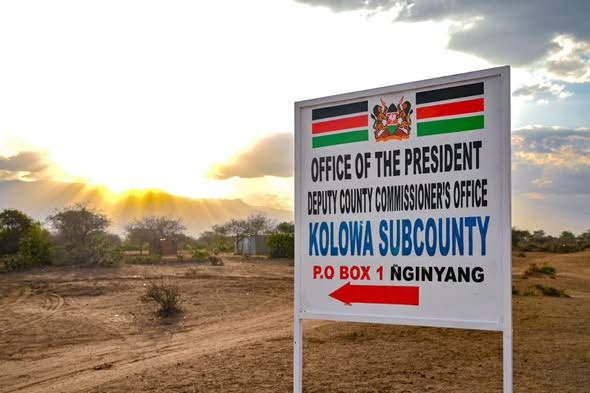
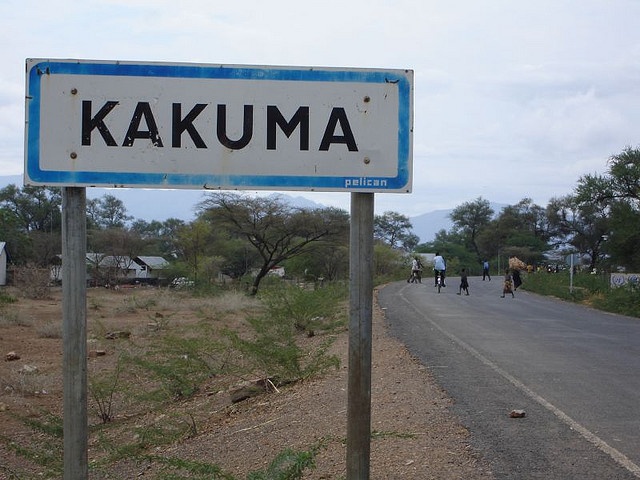
Turkana County’s strategic location bordering South Sudan has placed it at the absolute center of Kenya’s emergency response plan. Public health experts warn that if sustained transmission takes hold in South Sudan, Turkana will likely serve as the primary entry point into Kenya due to the high volume of traders, refugees, humanitarian workers, and commercial cargo passing through the Lokichogio corridor.
Border detection is further complicated by the virus’s incubation period, during which infected individuals can travel undetected for days before exhibiting symptoms. The Ministry emphasized that South Sudan is especially vulnerable due to its fragile healthcare infrastructure, porous borders with the DRC and Uganda, informal crossing points, and the continuous movement of refugees and humanitarian relief operations.
Officials also voiced concern over numerous unofficial crossing routes locally known as panya routes which could allow travelers to bypass official health screening stations, severely compromising contact tracing efforts.
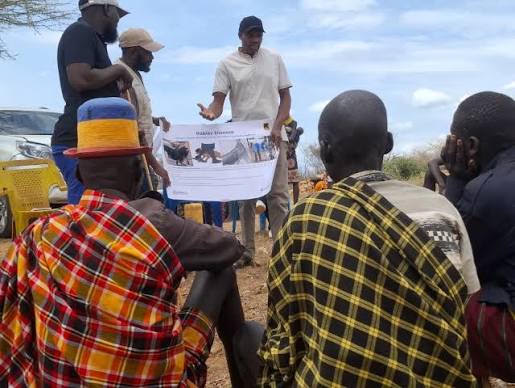
In response to the escalating Great Lakes health threat, the Ministry of Health has activated a multi-pronged preparedness strategy across high-risk gateway counties. Key emergency measures include mandatory temperature checks and health declarations at official border posts, the deployment of rapid response teams specialized in managing viral hemorrhagic fevers, the expansion of specialized isolation facilities, and increased community-level surveillance led by local chiefs and Community Health Promoters.
Health Cabinet Secretary Aden Duale highlighted the strategic importance of the northern corridor, noting that if large-scale transmission begins in South Sudan, Turkana County will become Kenya’s most critical frontline defense. He emphasized that the Lokichogio route is a vital transport link, making early screening and rapid detection essential to keeping the virus out of the country. CS Duale further confirmed that the Ministry of Health has already stepped up emergency readiness by increasing surveillance at border entry points and bolstering isolation capacity in designated gateway counties.
Meanwhile, medical personnel in eastern DRC continue battling the epidemic under severe constraints. While the outbreak remains centered in Ituri Province, secondary transmission chains are active across North Kivu, South Kivu, and Tshopo provinces. Ongoing armed conflict, mass population displacement, attacks on health infrastructure, and community resistance continue to disrupt vaccination drives and contact tracing efforts.
With cross-border mobility remaining high across the Great Lakes region, public health officials maintain that unwavering vigilance along Kenya’s northern frontier remains the nation’s single most critical barrier against a local Ebola outbreak.