







NAIROBI, KENYA — Murang’a County has been instructed to immediately align its municipal operational frameworks and revenue collection systems with national statutory laws. The direction came following a scrutiny session by the Senate Standing Committee on Devolution and Intergovernmental Relations, which warned that the county’s current centralized financial practices are undermining local urban autonomy.
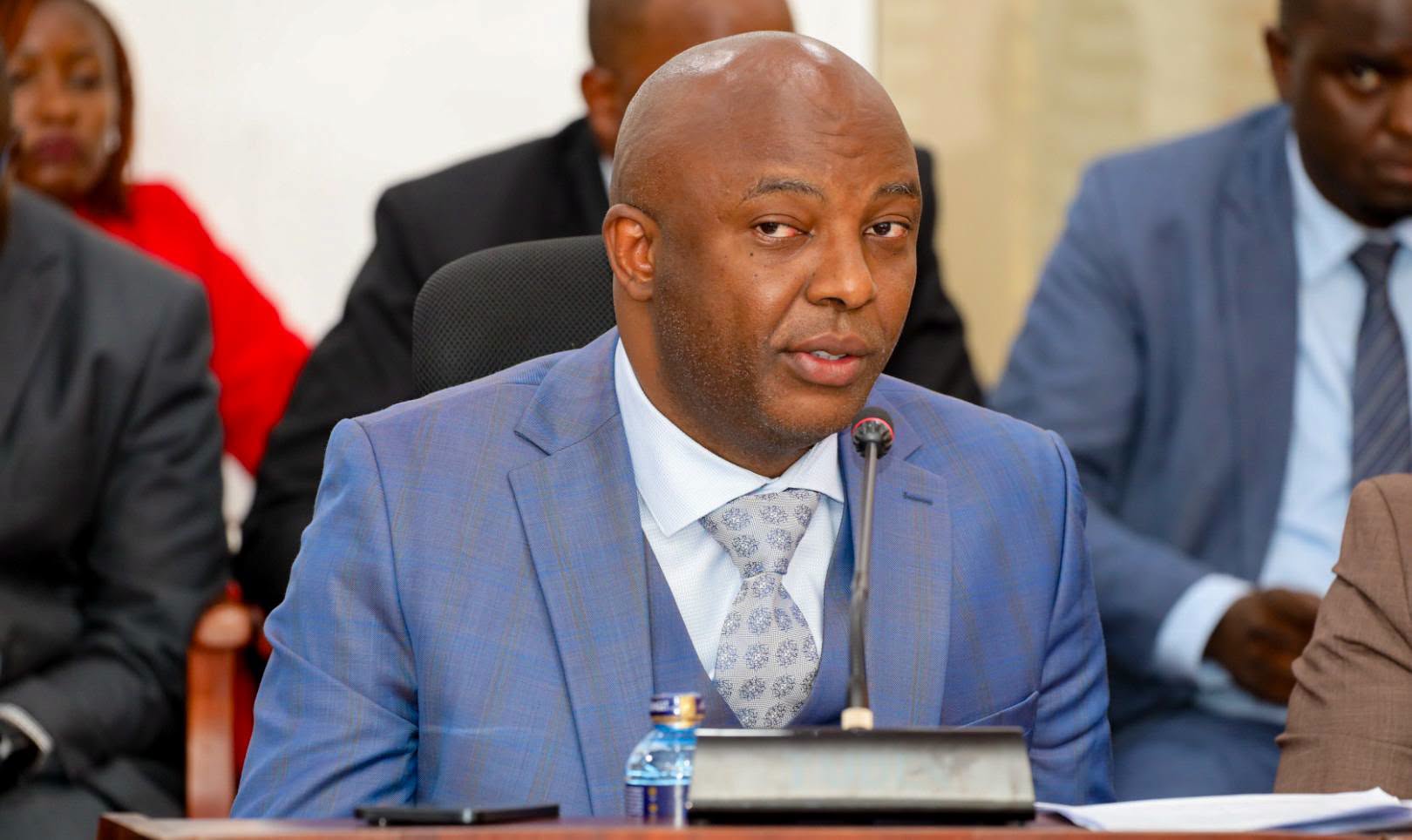
During a hearing chaired by Wajir Senator Mohamed Abbas, the committee met with Murang’a Governor Irungu Kang’ata to evaluate compliance across the Murang’a, Kenol, and Kangari municipalities under the Urban Areas and Cities Act and the Public Finance Management (PFM) Act. While acknowledging that the county has formally gazetted delegated functions and approved relevant policies, lawmakers raised severe concerns over prolonged delays between issuing municipal charters and official gazettement which took up to three years in Kangari.
The panel also targeted wording in official gazette notices that referenced “transferring” rather than “delegating” municipal powers. Committee Vice Chairperson Catherine Mumma warned that such terminology risks creating executive overreach. Governor Kang’ata clarified that the phrasing was merely a drafting error and reassured lawmakers that municipal managers actively supervise local revenue collectors.
Financially, Murang’a’s urban centers showed strong growth for the 2025/26 financial year. Kenol Municipality led with KES 128.3 million in local revenue, followed by Murang’a Municipality at KES 117.2 million and Kangari Municipality at KES 48.2 million. However, senators flagged low budget utilization and criticized the county’s practice of pooling all collected funds into the central County Revenue Fund (CRF).
Although Governor Kang’ata defended the practice by pointing out that automated tracking systems log every source of revenue accurately without needing separate bank accounts, lawmakers firmly rejected the argument. Senator Peris Tobiko emphasized that Section 179 of the PFM Act leaves no room for selective compliance, mandating that municipal boards must run independent bank accounts and manage their own budget implementation.
Addressing additional concerns raised by Murang’a Senator Joe Nyutu regarding infrastructure, public cemeteries, and green spaces in fast-growing hubs like Kenol, Governor Kang’ata confirmed that Kenol operates under an approved spatial plan with designated areas for playfields, industrial parks, and cemeteries. The committee concluded by giving the Murang’a executive time to correct administrative flaws and fully decentralize revenue control to power local municipal growth.