Home Blog Page 71

DPP approves prosecution of nine over alleged ksh120 million Nakuru county tender scandal

0

Nine people, including current and former senior officials of the Nakuru County Government and a contractor, are set to face prosecution after the Director of Public Prosecutions (DPP) approved charges arising from an alleged KSh120 million procurement fraud and conflict of interest scheme.

The Ethics and Anti-Corruption Commission (EACC) said the case stems from investigations into allegations that Lorna Karamuta Mubichi, an Economist II with the Nakuru County Government, facilitated business between the county and companies owned by her husband while she was serving as a public officer.

“Investigations established that the companies were owned and controlled by Mubichi’s husband, Kenneth Muriithi Ndubi, either solely or jointly with his brother, Brian Mwenda Ndubi,” EACC said.

According to the commission, the three companies—Denken Building and Construction Limited, Murinchamba Investments Limited and Windcom Solutions Limited—were awarded 29 county contracts between the 2020/2021 and 2024/2025 financial years, receiving payments amounting to KSh120,042,417.

EACC alleges the firms used false documents to obtain the tenders, with some of the proceeds later transferred into joint bank accounts belonging to Mubichi and her husband.

The commission further said investigators traced part of the contract payments to several senior county officials.

“The firms are said to have used false documents to unlawfully secure the tenders, with part of the proceeds transferred to joint bank accounts held by Mubichi and her husband,” the commission stated.

Following completion of investigations, the case file was forwarded to the DPP, who approved the prosecution of the suspects on charges including conflict of interest, money laundering, acquisition of proceeds of crime, engaging in corrupt procurement practices and wilful failure to comply with procurement laws.

Those arrested include Lorna Karamuta Mubichi; Kenneth Muriithi Ndubi; Daniel Ndung’u Wainaina, Chief Officer for Medical Services; Kennedy Mungai Barasa, Chief Officer for Roads and Infrastructure; Timothy Kiogora Murithi, Chief Officer for Water; Peter Gitau Thabanja, Nakuru City Manager; and Solomon Sirma, Baringo County Executive Committee Member for Finance and former Nakuru Chief Officer for Health.

They are expected to appear before the Nakuru Law Courts on Friday, July 31, 2026.

Meanwhile, EACC has directed Brian Mwenda Ndubi, a director of Windcom Solutions Limited, and Josphat Kimemia, Chief Officer for Youth Affairs and Sports, to surrender to its South Rift Regional Office in Nakuru or the nearest EACC office after they allegedly went into hiding.

“The Commission remains committed to safeguarding public resources and holding those involved in corruption to account,” EACC said.

The anti-graft agency also called on State institutions to strengthen compliance with the Conflict of Interest Act, 2025, by putting in place effective mechanisms for declaring, managing and preventing conflicts of interest among public officers.
Hola meat traders count losses after closure of local slaughterhouse

0

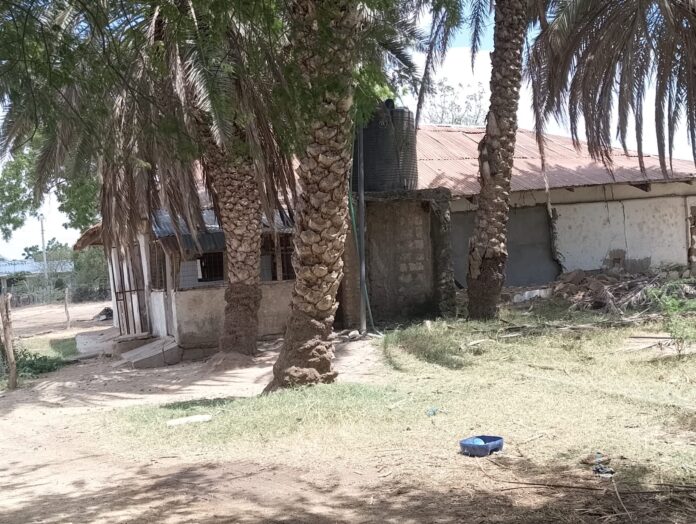
TANA RIVER-Hundreds of meat traders in Hola, Tana River County, say they are suffering heavy losses following the closure of the Hola slaughterhouse several months ago, forcing them to transport livestock to Bura for slaughter before returning the meat to Hola for sale.

The traders say the move has significantly increased operating costs, delayed meat deliveries and driven away customers, threatening the viability of their businesses.

One of the traders, James Muchina, said transport costs have more than doubled since the closure of the Hola facility.

“We used to pay KSh300 per goat at the Hola slaughterhouse, but now we pay KSh700 to transport each goat to Bura for slaughter. The cost of doing business has become very high,” Muchina said.

According to the traders, they now travel about 74.7 kilometres from Hola to Bura, often leaving as early as 2:00 a.m., to ensure the meat reaches their butcheries as early as possible.

Besides the higher transport costs, the traders also raised concerns about conditions at the Bura slaughterhouse, saying inadequate water supply has affected hygiene standards and increased their expenses.

“The shortage of water at the Bura slaughterhouse forces us to spend extra money cleaning the meat to meet public health standards. Sometimes we even have to discard some of the meat,” Muchina added.

The traders are now urging the Tana River County Government to reopen the Hola slaughterhouse, arguing that doing so would reduce their operational costs and improve service delivery.

“We are appealing to the county government to reopen the Hola slaughterhouse because the losses we are incurring every day are becoming unbearable,” he said.

To offset the increased transport expenses, the traders say they have been forced to increase the retail price of meat by KSh50 per kilogram, a move they fear could further discourage customers.

They also say the relocation of slaughter services has delayed the arrival of fresh meat in Hola butcheries. Previously, meat was available by around 6:00 a.m., but it now reaches shops between 10:00 a.m. and 11:00 a.m., causing many customers to seek alternative suppliers.

“Customers used to find fresh meat early in the morning, but now they have to wait until late morning. Many of them are leaving without buying or turning to other sellers,” said one trader.

The traders are calling on the county government to urgently restore slaughtering services in Hola, saying the move would lower business costs, improve meat supply and help revive the local meat trade.

Supkem invites public to vet shortlisted Waqf commission nominees

0

The Supreme Council of Kenya Muslims (SUPKEM) has called on members of the public to scrutinise and submit views on 35 candidates shortlisted for appointment to Kenya’s Waqf Commission, as the recruitment process enters the public participation stage.

In a public notice, SUPKEM said the Selection Panel, chaired by Mohammed Alaw Hussun, is inviting written memoranda from the Muslim community and the general public within 14 days to assist in assessing the integrity, competence and suitability of the shortlisted applicants.

“Members of the public are invited to submit any relevant comments, views, or information regarding the shortlisted candidates. The submission period must be within 14 days from the date of publication of the notice. Your participation promotes transparency, accountability, and integrity in the appointment process,” SUPKEM said.

The council said the public participation exercise is intended to strengthen openness and accountability in the recruitment process by allowing members of the public to raise any concerns or provide information that may be relevant before appointments are made.

The Selection Panel shortlisted the 35 candidates after receiving 148 applications for the eight available positions on the commission.

The appointments are being conducted under the Waqf Act, 2022, which established the Waqf Commission to regulate and oversee the management of waqf endowments across the country.

A waqf is property permanently dedicated under Islamic law for charitable, religious or social purposes. Such endowments may include land, mosques, schools, cemeteries and commercial properties, with income generated from them used to support community welfare and other public-benefit initiatives.

Once constituted, the commission will be responsible for registering waqf properties, overseeing their management, protecting endowment assets from misuse, supervising trustees and ensuring donated property is managed according to the wishes of those who established the endowments.

The commission will also formulate policies on waqf administration and help resolve disputes involving waqf assets.

Under the law, the eight-member commission will comprise an Islamic scholar with expertise in Islamic jurisprudence, a prominent businessperson and professionals drawn from fields including law, finance, accounting, architecture, administration, land economics and social work. The appointments must also comply with the constitutional requirement that no more than two-thirds of commissioners be of the same gender, while taking into account the inclusion of youth and persons with disabilities.

The selection exercise is being overseen by a five-member panel appointed by the Attorney-General in accordance with the Waqf Act. Besides chairperson Mohammed Alaw Hussun, the panel includes Sheikh Hassan Ali Amin, Shoaib Vayani, Sumaya Hassan and Hannan Hassan El-Kathiri.

Following the conclusion of the public participation exercise, the Selection Panel will review all memoranda received before forwarding the names of successful candidates to the Attorney-General for appointment in accordance with the law.

Lawyers seek to bar Duale from holding public office over controversial remarks

0
Health Cabinet Secretary Aden Duale

NAIROBI KENYA-Health Cabinet Secretary Aden Duale is facing a legal challenge seeking to have him declared constitutionally unfit to continue serving in public office over remarks he allegedly made during a public gathering in Mandera County.

Lawyers Lempaa Suyianka and Gitahi Gichuki have filed a constitutional petition before the High Court, arguing that Duale’s comments, allegedly made on July 20, 2026, while addressing residents in Lafey Constituency, fall short of the constitutional standards expected of a State officer.

Although Duale later clarified that the statement was a figurative Somali proverb referring to entrenched habits and not intended to insult or target any ethnic community, the petitioners argue that the court must determine whether the remarks were appropriate for a Cabinet Secretary.

“The issue before the court goes beyond the literal meaning of the proverb. It raises broader constitutional questions regarding the conduct of State officers when making public statements in Kenya’s politically sensitive environment,” the petition states.

The lawyers contend that Cabinet Secretaries are bound by constitutional principles requiring them to uphold national unity, equality, human dignity, integrity, accountability and professionalism while exercising public authority.

“Cabinet Secretaries are held to a higher constitutional standard of conduct and must avoid public communication that could reasonably be perceived as advancing ethnic division, partisan political interests or undermining national cohesion,” the petition reads.

In support of their case, the petitioners cite the findings of the Akiwumi Commission, the Kiliku Parliamentary Committee and the Waki Commission, arguing that Kenya’s history demonstrates how inflammatory political rhetoric and ethnic mobilisation have contributed to election-related violence.

The petition also asks the High Court to affirm that freedom of expression does not extend to hate speech, ethnic incitement, vilification or advocacy of hatred as prohibited under Article 33(2) of the Constitution.

“Freedom of expression does not extend to hate speech, ethnic incitement, vilification or advocacy of hatred as prohibited by the Constitution,” the lawyers argue.

Among the orders sought is a declaration that, should the court find Duale’s remarks amounted to ethnic vilification, he acted inconsistently with the constitutional principles of leadership and integrity and is therefore constitutionally unfit to continue serving as a Cabinet Secretary or in any other State office unless the conduct is remedied in accordance with the law.

The petitioners are also seeking an order of mandamus compelling the first respondent to honour summons issued by the interested party and participate in its proceedings.

“Failure by a State officer to comply with lawful summons undermines accountability, integrity and the rule of law,” the petition states.

The High Court is expected to give directions on the hearing of the petition.

Aisha Jumwa quits president Ruto’s UDA party

0

Former Public Service and Gender Cabinet Secretary Aisha Jumwa has officially resigned from President William Ruto’s ruling United Democratic Alliance (UDA).

Speaking from her Kakuyuni home in Malindi, Kilifi County, the prominent Coast politician cited continuous humiliation, marginalization, and unaddressed grievances regarding her bid for the Kilifi gubernatorial seat in 2027 as her reasons for leaving.

Jumwa stated that her repeated attempts to seek intervention from President Ruto regarding internal party matters fell on deaf ears.

She highlighted an incident where she was reportedly turned away during a high-level meeting between the President and Coast leaders at State House, signaling her growing isolation within the ruling camp.

Jumwa pointed to emerging political alignments under the broad-based governance framework, claiming UDA might not field a candidate in Kilifi, effectively locking her out of the party’s ticket.

Despite exiting the founding ruling party, Jumwa affirmed that her campaign to succeed Kilifi Governor Gideon Mung’aro remains on course and that she will announce her new political vehicle soon.

As one of the early high-profile leaders from the Coast region to back William Ruto’s presidential bid in 2022, Jumwa’s exit marks a significant fracture in UDA’s regional footprint.

Her resignation underscores growing friction within the ruling coalition as broad-based party agreements alter candidate dynamics for county leadership seats in 2027.

By walking away from UDA, Jumwa signals a broader trend of regional power brokers seeking alternative political vehicles ahead of the 2027 general election.

Chewele residents to benefit from new sugar mill project

0

TANARIVER-Residents of Chewele Ward in Tana North Sub-county, Tana River County, are set to benefit from a major investment by Cain Development, which is constructing a sugar milling factory under the name Sukari Industries.

Speaking to residents in Chewele, the company’s External Affairs and Communications Manager, George Muruli, said the project is aimed at improving the livelihoods of local communities through close collaboration and shared economic opportunities.

“Our goal is not only to build a factory but also to work hand in hand with the community to ensure residents benefit both economically and socially from this project,” said Muruli.

Muruli commended the national government for facilitating the investment in the Bura area, noting that the company is committed to working closely with local leaders and residents throughout the implementation of the project.

“We appreciate the national government for giving us the opportunity to invest in Bura. Our commitment is to partner with the community in delivering sustainable development,” he added.

He further noted that Bura is rich in natural resources that should directly benefit its residents and called on other development partners operating in the area to fully involve local communities in their projects.

According to Muruli, the sugar factory will be built on more than 50,000 acres of land. Preparatory work is already underway, with over 700 acres cleared ahead of construction.

“Preparations are progressing well. More than 700 acres have already been cleared, and we expect construction of the factory to be completed within 18 months,” he said.

Muruli added that, besides constructing the factory, Cain Development will continue supporting the community through investments in education, healthcare, road construction and other infrastructure projects.

He also said the company will hold regular meetings with residents to provide information about the project and its expected benefits.

Meanwhile, Chewele community leader Ramadhan Divayu Babisan urged residents to maintain peace and support the implementation of the project.

“Following the agreement we reached with Cain Development, I urge residents not to engage in any actions that could disrupt this project. The agreements reached will be implemented in accordance with the contract,” Babisan said.

He further emphasized that employment opportunities reserved for local residents should be allocated fairly and without political interference.

“The jobs promised to the local community must be awarded fairly and without interference from politicians,” he stressed.

A Chewele resident, Hassan Wako, called on the company to honour its commitments to the community.

“We want the company to fulfil the promises it has made because we believe this project will transform our lives,” said Wako.

His remarks were echoed by fellow residents Omari Dadho and Nahia Munuri, who urged the company to remain transparent, honest and accountable throughout the implementation of the project.

On his part, Bura Assistant County Commissioner (ACC) Daudi Kone appealed to residents to remain calm and cooperate with the investor to ensure the successful completion of the project.

“I urge residents to remain peaceful and cooperate with the investors so that this project can be completed for the benefit of the entire community,” Kone said.

Addressing concerns over graves located within the project area, Kone said they would be respected and left undisturbed.

“If the project site includes areas where graves are located, no graves will be exhumed. They will remain untouched as a sign of respect for those who have passed away,” he explained.

Once completed, the sugar factory is expected to process approximately 5,000 tonnes of sugarcane per day, creating employment opportunities, improving infrastructure and stimulating economic growth across Chewele Ward and the wider Bura region.

Two Arrested over assassination of Dr. Victoria Nthunya Mutiso in Upper Hill.

0

The Directorate of Criminal Investigations (DCI) has arrested two individuals in connection with the murder of Dr. Victoria Nthunya Mutiso, who was shot dead on Wednesday morning in Nairobi’s Upper Hill area.

According to a statement issued by the DCI, homicide detectives—supported by specialized investigative and forensic teams—have gathered crucial leads through witness interviews, forensic analysis, and targeted operations.

The two suspects remain in custody as multi-agency forensic evaluations and investigations continue.

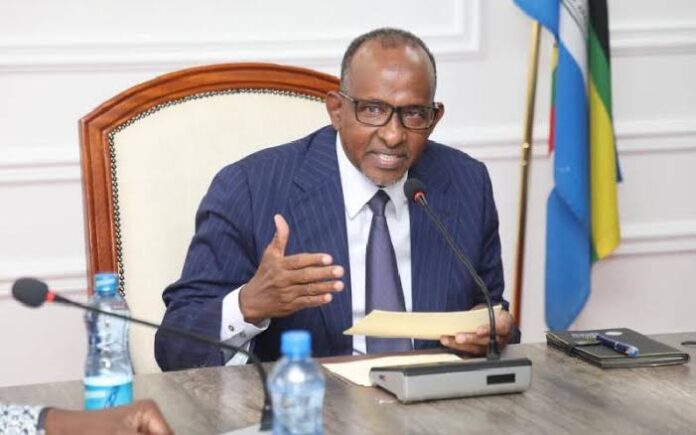
Governor Ahmed Abdullahi issues zero-tolerance warning to Wajir County Staff over early politics.

0

Wajir Governor Ahmed Abdullahi has issued a final, unequivocal warning to county government employees who have begun neglecting their official mandates to participate in active political campaigning. Speaking from his office after signing the Wajir County Appropriations Act, Governor Abdullahi, who also chairs the Council of Governors, stated that his administration would adopt a zero-tolerance policy toward absenteeism during this critical pre-election period. The warning specifically targets civil servants and county staff who have started traversing the county to support various gubernatorial and parliamentary aspirants.

The governor’s directive highlights a growing crisis within the Arid and Semi-Arid Lands (ASAL) governance structure, where public resources are often diverted by staff seeking to curry favor with potential future leaders. Abdullahi emphasized that the county government remains the primary engine for service delivery and that political aspirations, while democratic, cannot supersede the operational requirements of the public sector. He explicitly threatened to fire staff members found politicking during official working hours, advising them to restrict such activities to weekends.

Systemically, Wajir has faced significant historical challenges regarding the continuity of service. As political cycles intensify, the bureaucracy often grinds to a halt as mid-level managers align themselves with clan-based political machines. This “loyalty shift” frequently compromises public health, education, and water infrastructure maintenance. The governor’s move is an attempt to insulate the technical wing of the county government from the polarizing tribal politics that characterize the North Eastern region. By asserting that “the politician you are supporting will not help you” until his tenure ends, Abdullahi is reinforcing the supremacy of established governance over speculative political patronage.

Socioeconomically, the impact of such directives is profound. In Wajir, where more than 60% of the population relies on pastoralism, the county government’s ability to coordinate drought response, veterinary services, and water management is the difference between subsistence and disaster. When administrative staff prioritize political rallies over desk-bound duties, supply chain logistics for essential services—already stressed by climate volatility—collapse. The residents expect consistent water delivery and support programs, not an absent workforce.

Looking forward, Governor Abdullahi’s stance is a test of executive discipline. As 2027 approaches, the pressure to secure political survival will only increase. Whether he can sustain this “no-politics” rule without alienating staff who feel their political futures lie with opposition aspirants remains to be seen. The county treasury’s commitment to the Appropriations Act suggests an urgent need for efficiency to deliver projects before the election cycle fully consumes the administrative apparatus.

KNEC deadline: principals face final hours to verify 2026 KPSEA and KJSEA scores

0
Teacher and students in a classroom

School principals across Kenya face a strict Thursday, July 30 deadline to verify and confirm all School-Based Assessment (SBA) scores on the Kenya National Examinations Council (KNEC) portal.

This critical exercise ensures that continuous assessment scores for candidates sitting the 2026 Kenya Primary School Education Assessment (KPSEA) and Kenya Junior School Education Assessment (KJSEA) are accurately reflected on the Competency-Based Assessment (CBA) portal ahead of third-term national examinations.

“All heads of institutions are expected to log into their school CBA portals to confirm the status of uploading SBA scores for their 2026 KPSEA and KJSEA candidates by July 30, 2026,” KNEC reiterated in its earlier directive.

In addition to score verification, July 30 marks the final deadline for registering Grade 10 learners on the CBA portal following the conclusion of senior school assessment centre registrations on May 22. Institutions that failed to secure recognition as valid assessment centres will be barred from enrolling Grade 10 students.

Under the Competency-Based Education (CBE) assessment model, continuous assessments form a substantial portion of a learner’s final score. For Grade 6 KPSEA candidates, continuous assessment accumulated across Grades 4, 5, and 6 accounts for 60 per cent of the final result, while the national summative examination contributes the remaining 40 per cent. For Grade 9 KJSEA candidates, SBA scores from Grades 7 and 8 contribute 20 per cent, transferred KPSEA performance contributes 20 per cent, and the Grade 9 national assessment accounts for the final 60 per cent.

The verification deadline coincides with the official end of Term Two on Friday, July 31, capping off a particularly turbulent period for the education sector. The term was marred by widespread student unrest and dormitory fires that caused the temporary closure of nearly 200 schools nationwide before safety interventions allowed learning to resume.

Compounding these challenges, schools are concluding the term under severe financial distress caused by a Sh22.5 billion capitation deficit, leaving administrators heavily indebted to service providers.

While the National Treasury released funds on time, disbursement delays were worsened by persistent technical glitches and enrolment data discrepancies within the Kenya Education Management Information System (KEMIS).

With institutions now winding up the second term, principals are expected to complete the verification exercise before the close of business today to ensure candidates’ assessment records are complete and accurate ahead of the national examinations next term.

Aid cuts deepen Somalia’s unger crisis as more children battle severe malnutrition

0

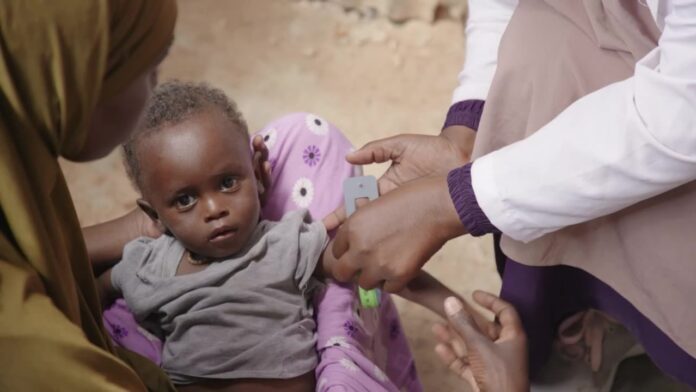
SOMALIA — A sharp rise in the number of severely malnourished children receiving treatment in southern Somalia is highlighting the growing impact of reduced humanitarian funding, prolonged drought and rising living costs.

The International Committee of the Red Cross (ICRC) said admissions of children suffering from severe acute malnutrition at its supported stabilisation centre at Kismayo General Hospital increased by 41 per cent in the first half of 2026 compared with the same period last year.

The organisation warned that many vulnerable families are struggling to afford food, transport and medical care as economic pressures continue to worsen.

“We’re seeing the combined impact of rising fuel and food costs, the lingering consequences of drought which have disrupted livelihoods, and reductions in aid funding just as families in Somalia need that help the most,” said Antoine Grand, head of delegation for the ICRC in Somalia.

Although the ICRC has expanded support for Somali Red Crescent nutrition clinics from 10 to 22 facilities, access to treatment remains difficult, particularly for communities living in remote areas.

Many families are now forced to travel for several days to reach health facilities capable of treating severe malnutrition.

Among the children receiving care is three-year-old Hassan, who arrived at Kismayo General Hospital suffering from severe malnutrition, marasmus, pneumonia and stomatitis after his mother travelled through flooded roads for days to reach medical help.

“I didn’t have money for transport, so contributions were made. We got in the car and spent days on the road because the rains had made it impassable,” Hassan’s mother, Sabirin, told the ICRC.

The crisis has also been worsened by rising fuel prices, which have increased the cost of transporting food and accessing healthcare. Traders in Kismayo say the price of essential goods has continued to climb, placing additional pressure on struggling households.

The ICRC said Somalia remains one of its largest humanitarian operations in Africa, with an annual budget of about $80 million, but warned that urgent and sustained international support is needed.

“Without urgent and sustained international funding, more lives will be lost and recent gains in strengthening communities’ resilience could be reversed,” the organisation said.