Home Blog Page 48

ODM leaders in Nyanza urge calm ahead of 2027, endorse President Ruto’s re-election bid

0

A section of ODM leaders in Nyanza has called on the political class to preach national unity and allow the government space to deliver its development promises.

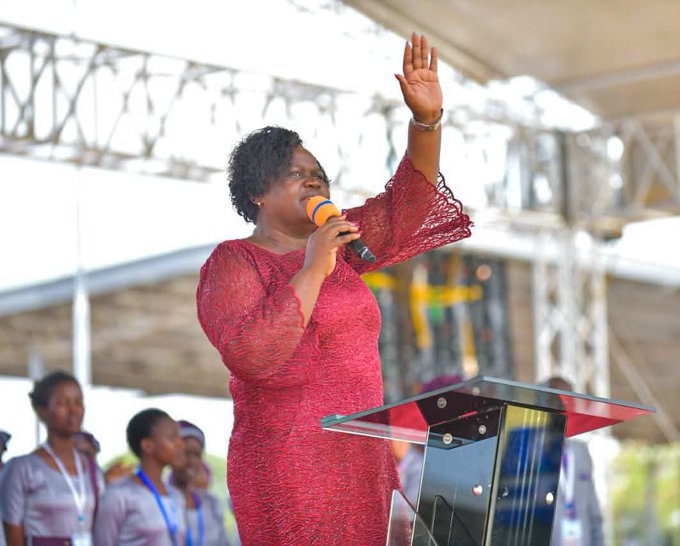
Speaking during a Sunday service at the Voice of Salvation and Healing (VOSH) Church in Kisumu, Energy Cabinet Secretary Opiyo Wandayi launched a sharp critique against the ‘Linda Mwananchi’ team, accusing them of carrying out a targeted campaign to vilify selected Orange Democratic Movement (ODM) leaders.

CS Wandayi argued that the recent unrest witnessed during opposition rallies across Nyanza was systematically orchestrated to provoke the electorate.

“We want peace and tranquility in our counties of Kisumu, Siaya, and Homa Bay,” Wandayi asserted. “If you plan a political rally, please do so with good intentions, not as a way to provoke violence, demean others, or paint us in a bad light.”

The leaders strongly endorsed President William Ruto’s second-term bid, citing his track record in development and his efforts to bridge regional divides through a broad-based administration.

Kisumu West MP Roza Buyu commended the President’s inclusive development approach, noting, “He understands and believes that he is the president of one united country. That is why he identifies under-developed regions across Kenya and actively chooses to elevate them.”

Echoing those sentiments, Homa Bay Governor Gladys Wanga highlighted the government’s inclusive governance model.

“Our President has brought everyone to the decision-making table whether the church, farmers, or everyday citizens. This broad-based government serves all Kenyans,” Wanga added.

The present local leaders jointly urged both politicians and the electorate across the country to maintain peace and shun politically instigated conflict.

Chaos in Homa Bay as armed youths block ‘Linda Mwananchi’ delegation

0

As the “Linda Mwananchi” delegation had planned to hold a peaceful rally, which had been cleared by the security authorities, other groups appeared to have a different agenda, turning parts of Homa Bay County into scenes of heightened political tension and leading to the arrest of two-armed suspects.

The opposition delegation comprising Nairobi Senator Edwin Sifuna, Siaya Governor James Orengo, Embakasi East MP Babu Owino, Vihiga Senator Godfrey Osotsi, and Trans Nzoia Governor George Natembeya faced stiff opposition upon their arrival. Despite being hosted by Suba South MP Caroli Omondi, the group’s convoy was repeatedly delayed by barricaded roads across major trading hubs, including Sindo, Mbita, and Ndhiwa.

Protesters reportedly aligned with the ODM party established the blockades, chanting “Tutam” in a show of support for President William Ruto’s re-election bid. The friction escalated into violent confrontations at Nyandiwa market in Suba South, where groups of local youths actively attempted to block the politicians from addressing the public.

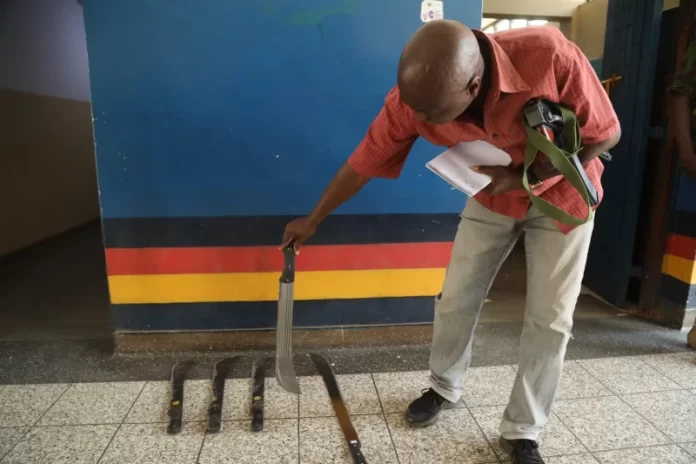
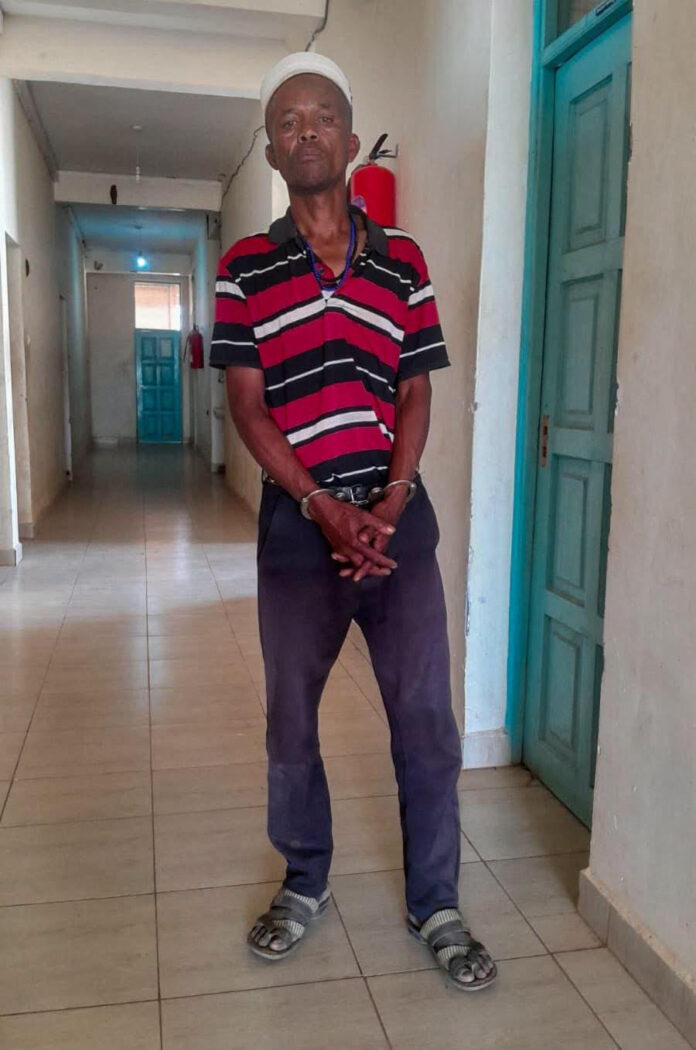
Amid the unfolding turmoil, police officers intercepted two young men near Wiobiero High School along the Sori-Rodi Kopany highway in Homa Bay Town Constituency. The duo, who had traveled from Ndhiwa heading toward Homa Bay town, were found carrying five concealed machetes (pangas) allegedly intended to provoke violence at the rally.

Homa Bay County Police Commander Lawrence Koilem confirmed the arrests, stating that the suspects remain under interrogation and will be formally charged in court.

“The weapons are in our custody and will be used as exhibits in court,” Commander Koilem said. “We appeal to young people not to allow themselves to be used by politicians to cause violence.”

Countywide security measures were heightened on Sunday while authorities are continuing to investigate the organized disruptions.

Call for recognition of skilled artisans without formal certificates during the Fundi Mahiri event.

0

The government and stakeholders in Kenya’s construction sector have been urged to recognize skilled artisans who acquired their expertise through informal training but lack formal certificates.

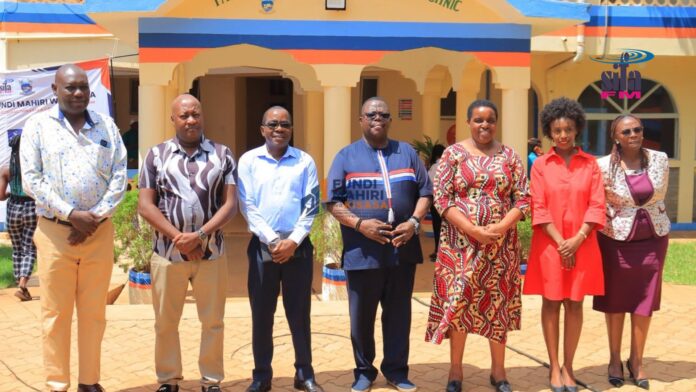
The call was made during a two-day Modern Skilled Artisan Workshop organized by Sifa FM at the Taita Taveta National Polytechnic (TTNP). The workshop brought together artisans from different construction fields to enhance their skills and equip them with knowledge of modern construction methods, technologies and products.

In a speech delivered on his behalf by the Director of Administration in the Department of Labour, Mike Kimoko, Labour Principal Secretary Shadrack Mwadime said modern artisans must continuously acquire new skills to keep pace with technological advancement.

Mwadime commended Sifa FM for going beyond its traditional role of providing news and entertainment to supporting community empowerment through skills development and said the government recognizes the important role played by artisans in the construction sector and in the country’s economic development.

According to Mwadime, although some artisans have acquired training through various institutions, a large number gained their skills through apprenticeship and learning from experienced colleagues. As a result, many lack formal certificates to prove their competence.

He said skills acquired through informal systems have often not been formally assessed or recognized and urged artisans to take advantage of the Recognition of Prior Learning (RPL) system, which allows individuals to have skills and competencies gained through previous experience assessed and certified.

“The skills of artisans will be recognized like those of people who trained through formal institutions through the RPL system, enabling them to obtain certificates,” he said.

He also encouraged artisans attending the workshop to upgrade their knowledge and skills in line with modern technology and construction practices rather than relying solely on traditional methods.

Speaking during the workshop, Taita Taveta Deputy Governor Christine Kilalo praised the initiative for bringing together artisans and key stakeholders in the construction industry to address challenges affecting the sector.

Kilalo urged young people to enroll in Vocational Training Centres (VTCs) to acquire skills that can enable them to create employment for themselves and compete effectively in the labour market and added that the county government recognizes the construction sector as an important driver of development and economic growth.

“We recognize and appreciate the work you are doing. One way of supporting you is by providing an opportunity for you to obtain certification through the RPL system,” Kilalo said.

Meanwhile, Transworld Kenya and Sifa FM Stations Executive Director Dr. Njoki Chege said the partnership was aimed at helping artisans obtain recognized certificates, improve their employment and business opportunities, and gain knowledge of modern construction practices.

“As Sifa FM, we have decided to move beyond the airwaves and reach our listeners who are artisans so that we can support them in acquiring skills,” Dr. Njoki said.

Dr. Njoki emphasized the importance of continuous learning, saying additional training would help artisans compete for customers, expand their markets and secure better remuneration.

“Once you acquire skills and improve your capacity, you can expand your market and receive better pay for your expertise,” she said.

Taita Taveta National Polytechnic Principal Fondo Kalama said the workshop was designed to identify and recognize artisans’ existing competencies and enable them to obtain certification through the RPL system.

Kalama said Kenya was moving in the right direction by formally recognizing skills acquired outside traditional learning institutions.

He noted that TTNP is accredited to assess and issue certification under the RPL system, allowing experienced artisans to have their competencies formally recognized and thanked Sifa FM for identifying TTNP as a partner in providing artisans with an opportunity to have their skills assessed and certified.

The two-day workshop brought together artisans from various construction-related fields for training on modern construction techniques and exposure to contemporary building products.

Companies and organizations that participated in the workshop and showcased their products and services included Tarmal Steel, Muthokiinju Paints, Sky Mabati, NITA, NCA, East Africa Cables, Plascon Paints, Royal Mabati, Serava and Bosch, among others.

The initiative is expected to strengthen collaboration between artisans, training institutions, government agencies and players in the construction industry while promoting the recognition of skills acquired through practical experience.

Turkana to Get 300-bed referral hospital as health challenges persist

0

TURKANA – Turkana County is set to receive a new 300-bed Level 5 comprehensive referral hospital under a Sh29 billion National Government investment aimed at expanding specialised healthcare services across 13 counties.

The proposed facility comes at a time when Turkana continues to face significant health challenges, including acute malnutrition, limited access to healthcare in remote areas and gaps in specialised medical services. A 2026 study found that global acute malnutrition among children under five in Turkana stood at 34.8 per cent in 2023, more than twice the 15 per cent emergency threshold.

The county’s vast geography, largely pastoralist population and recurrent droughts have also made access to health and nutrition services difficult, particularly for communities living far from established health facilities. Recent county efforts have included emergency integrated nutrition and water, sanitation and hygiene interventions in areas affected by worsening drought.

The new hospital is expected to strengthen Turkana’s capacity to provide specialised and critical care closer to residents, reducing the need for patients requiring advanced treatment to travel long distances or seek services outside the county.

The planned hospitals are expected to have modern diagnostic and treatment services, including at least 16 Intensive Care Unit beds and 10 High Dependency Unit beds, alongside modern medical equipment and climate-resilient infrastructure.

Turkana Governor Jeremiah Lomorukai on Thursday joined Health Cabinet Secretary Aden Duale and other leaders during a high-level consultative meeting in Nairobi to review plans for the establishment of the new Level 5 hospitals.

Lomorukai reaffirmed the County Government’s commitment to working with the National Government to ensure the Turkana project is successfully implemented and responds to the healthcare needs of the county’s growing population.

“As health is a devolved function, I reaffirmed the County Government’s commitment to working closely with the National Government to ensure the project is successfully implemented and responds to the healthcare needs of our growing population,” Lomorukai said in a statement.

The Sh29 billion programme is being implemented under a Presidential directive and is intended to strengthen county-level healthcare while easing pressure on national referral hospitals. The Government says beneficiary counties were selected based on factors including population size, disease burden and existing health infrastructure.

For Turkana, implementation will require close coordination between the two levels of government, particularly on land, approvals, utilities, staffing and operational preparedness before the facility becomes fully functional.

The project presents a major opportunity to strengthen Turkana’s health infrastructure and improve access to specialised and critical care, particularly for residents in remote areas who face challenges accessing advanced medical services.

Oil Rush: Uganda and Kenya position East Africa for a new economic era

0

East Africa is positioning itself for a new economic era as Uganda and Kenya move towards commercial oil production in 2026, with petroleum increasingly emerging as a driver of regional infrastructure, investment and trade. Uganda is on course for First Oil before the end of the year, with the country having already drilled 228 oil wells against the 170 required for production.

Petroleum Authority of Uganda Senior Facilities Engineer Andrew Ssennabulya, speaking on 13th August 2026, said the remaining work on the wells is mainly the installation of production tubing, which is faster than drilling. But the bigger task is completing the infrastructure that will allow Uganda’s crude to flow from the oil fields to international markets.

The Tilenga Central Processing Facility in Buliisa was 68.6 percent complete by the end of July 2026 while the Kingfisher facility in Kikuube had reached 99 percent and was undergoing commissioning.

The East African Crude Oil Pipeline, EACOP, was 91 percent complete. Petroleum Authority of Uganda Director of Legal and Corporate Affairs Ali Ssekatawa says Uganda cannot declare First Oil until the major projects are ready to operate together. “The three flagship projects, Tilenga, Kingfisher and EACOP, must be ready for us to announce First Oil, because they are synchronized,” said Ali. Tilenga is expected to produce about 190,000 barrels per day, while Kingfisher could add another 40,000 barrels, giving Uganda a projected peak output of 230,000 barrels per day.

But Uganda is not only preparing to produce oil. It is also positioning itself inside the regional infrastructure that moves petroleum. Through the Uganda National Oil Company, Uganda has acquired a 20.15 percent stake in Kenya Pipeline Company, KPC. President William Ruto, speaking in March 2026, revealed that President Yoweri Museveni had initially sought a 50 percent stake in KPC.

Ruto said Museveni’s argument was based on Uganda’s heavy reliance on the Kenyan petroleum transportation system. “When you inquired about the pipeline, with the intention of Uganda wanting to acquire 50 per cent, I managed to talk to you, and we reached an agreement that we begin with a few stakes, which you accepted,” Ruto said. The eventual 20.15 percent stake has given Uganda a strategic position in KPC, with two Ugandan officials joining the company’s board in July 2026.

The investment takes on greater significance as Uganda moves from being a major petroleum importer through Kenya to becoming an oil producer. Kenya is itself moving in the same direction. On April 14, 2026, Energy and Petroleum Cabinet Secretary Opiyo Wandayi said commercial drilling would begin in the South Lokichar Basin in Turkana, with Kenya targeting the resumption of crude oil exports by December. Ten days later, on April 24, the government formally launched development of the South Lokichar oil fields. Kenya’s initial production target is about 20,000 barrels per day, with output expected to rise to 50,000 barrels per day from 2032.

The simultaneous development of the two petroleum industries could transform the economic relationship between the two countries. For years, Uganda has depended heavily on Kenya’s petroleum infrastructure to receive imported fuel through the Port of Mombasa.

Now Uganda is developing its own crude production and export route through Tanzania while maintaining an ownership position in Kenya’s pipeline system. Kenya, meanwhile, is seeking to turn its oil reserves in Turkana into commercial production. This could create opportunities beyond crude exports from logistics and manufacturing to roads, energy, technology, local businesses and employment.

For resource-producing communities, however, the promise is ultimately measured in tangible benefits. Uganda’s petroleum authorities say local-content requirements are already generating employment and business opportunities, while project-affected communities have been compensated and resettled.

The region is also preparing its institutions for the legal and economic consequences of a growing oil industry. Bank of Uganda Governor Michael Atingi-Ego has projected that Uganda’s current account could move into surplus within three to four years, supported by oil exports. Chief Justice Flavian Zeija has meanwhile stressed the importance of a functioning justice system as petroleum investment expands. “Investor confidence hinges on how quickly courts resolve disputes,” reiterated Flavian.

23rd FEASSSA Championships officially underway as Kenya targets regional glory

0

The 23rd edition of the Federation of East Africa Secondary Schools Sports Association Championships, FEASSSA 2026, has officially kicked off in Morogoro, Tanzania, bringing together some of the best secondary school sporting talent from across the East African region.

The championships, which run from August 14 to August 22, 2026, have attracted school teams from across the region, with Kenya entering the competition with high expectations after producing some of the continent’s strongest school teams in recent years.

For the Kenyan contingent, the focus will be on translating their strong national performances into success on the regional stage, with several teams expected to face tough opposition from Uganda, Tanzania, Rwanda and other participating countries.

In girls’ football, Kenyan runners-up Nyakach Girls will begin their campaign against Jinja Progressive of Uganda, while Kenyan champions St. Joseph’s Girls Kitale will face Alliance High School of Tanzania on friday .

Another highly anticipated encounter will see Amus College of Uganda take on Boni Consili Girls, while Rines Secondary of Uganda will face Ziba Secondary in another Pool A fixture.

Nyakach Girls are placed in Pool A alongside Rines Secondary, Jinja Progressive, Ziba Secondary, PSB Huye and Fountain Gate. St. Joseph’s Girls Kitale, meanwhile, are in Pool B together with Amus College, Alliance High School, Kilombero Secondary and Boni Consili Girls.

In boys’ football, all eyes will be on Kakamega School, the defending Kenyan KSSSA national champions, who are representing Kenya in Pool C.

Kakamega School will open their FEASSSA campaign against Kyadondo Secondary, with the Kenyan champions expected to face a strong challenge from their regional opponents with  Pool C  featuring Bukedea Comprehensive and Urambo Day Secondary, making the group one of the pools to watch during the championship.

Elsewhere in boys’ football, Iptem Makamba will face Nsumba Secondary , while Amus College will take on Mbeya Day. In another highly anticipated encounter, St. Mary’s Yala of Kenya will meet St. Mary’s Kitende of Uganda, setting up an intriguing battle between two established school football programmes.

At Motco College, the opening day’s volleyball programme features four matches, with Mengele of Tanzania facing Seroma of Uganda, followed by GS Indangaburezi of Rwanda against Lumala of Tanzania. Kenya’s Soweto will then face Mwitoti in an all-Kenyan encounter, while Bukedea of Uganda will meet Katikamu SDA in another match.

The 23rd FEASSSA Championships provide more than just an opportunity for schools to compete for trophies. The tournament offers young athletes a major platform to showcase their ability, gain international-level experience and represent their schools and countries on one of East Africa’s biggest secondary school sporting stages.

For Kenya, the expectations are particularly high. Kakamega School will be looking to defend their reputation after their success at the national KSSSA level, while St. Joseph’s Girls Kitale will be aiming to announce themselves on the regional stage after being crowned Kenyan champions. Nyakach Girls will also be determined to go beyond their national runners-up position and make a strong statement in Morogoro.

With nine days of competition ahead, the battle for East African school sports supremacy has officially begun.

The 23rd edition of FEASSSA 2026 will run until August 22, when the champions across the various disciplines will be crowned.

Police arrest suspect and recover AK-47 rifle in Turbi, Marsabit County

0

MARSABIT – In a swift and decisive operation, police officers in Turbi, Marsabit County, arrested a male suspect and seized an illegal AK-47 rifle loaded with 11 rounds of ammunition. The successful raid unfolded after vigilant local residents provided a crucial tip-off, prompting swift action from the Turbi Police Station team. The seized firearm and live rounds have been secured as exhibits while the suspect remains in custody pending formal processing and arraignment in court.

This latest recovery follows closely on the heels of the ongoing Dumisha Amani multi-agency security operation across the region. Just a day prior, security forces operating on actionable intelligence in Kakili, Burat Location within Isiolo County, successfully disarmed a notorious bandit linked to recent armed attacks and livestock rustling. That operation netted an additional illegal firearm along with five rounds of ammunition, marking another significant blow to criminal networks operating in the area.

Commending the bravery and proactive stance of community members, the National Police Service (NPS) highlighted public collaboration as the ultimate game-changer in tackling cattle rustling and violent crime.

Reaffirming their unwavering commitment to restoring lasting peace, the NPS emphasized that multi-agency security forces will continue to hunt down illicit arms, crush banditry, and protect lives across Marsabit, Isiolo, and neighboring counties. Members of the public are encouraged to remain vigilant and report any suspicious individuals or illegal weapons to the nearest police station or via official emergency toll-free lines.

Kakuma Trade Fair gives local entrepreneurs a platform to grow

0

KAKUMA – More than 150 entrepreneurs from refugee and host communities converged in Kakuma on Thursday with one common goal: to put their businesses in front of more customers, create new connections, and find opportunities to grow.

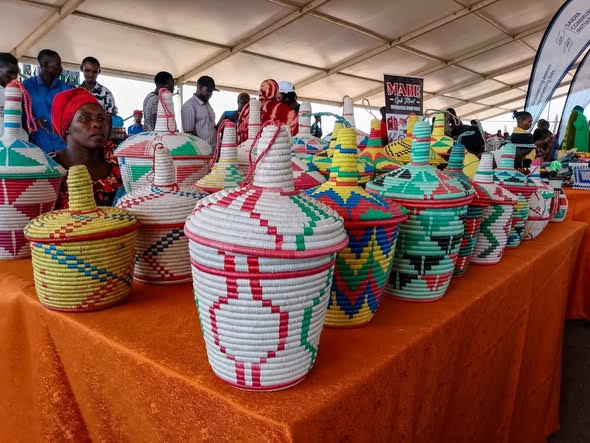
From agricultural produce and food products to crafts, clothing, and other locally made goods, the Kakuma Market Trade Fair and Exhibition provided traders with a platform to showcase what they produce and demonstrate the growing entrepreneurial potential of the Kakuma-Kalobeyei area.

Held at the Kakuma Mixed Primary School Football Ground, the exhibition brought together entrepreneurs, customers, investors, financial institutions, development partners, and government representatives, creating a marketplace where businesses could sell, network, and explore new opportunities. The event was organized by the Kakuma Kalobeyei Challenge Fund (KKCF) in partnership with a range of development and private-sector actors. For the entrepreneurs, however, the value of the exhibition went far beyond displaying products.

Mwenda Kataka, a refugee entrepreneur from Kakuma, shared that the event gave him business visibility that would otherwise be difficult to achieve. He noted that while local traders often produce high-quality goods, reaching new customers remains their biggest obstacle. Being at the fair allowed him to connect with new buyers, many of whom made immediate purchases or inquired about long-term product orders.

Host-community trader Ann Njoroge, who rears poultry for sale, highlighted how the exhibition created a vital space for businesses from both communities to learn from one another. She emphasized that despite coming from different backgrounds, entrepreneurs share identical ambitions to build successful enterprises, making the fair a powerful catalyst for exchanging ideas and seeking collective growth.

The exhibition was presided over by Turkana Deputy Governor Dr. John Erus, who was accompanied by local leaders, heads of NGOs, and members of the community. Dr. Erus stressed that platforms connecting entrepreneurs to broader markets are essential for transitioning local businesses from survival enterprises into sustainable, scaling operations.

He noted that uniting refugee and host-community entrepreneurs strengthens the entire local economy, and he urged stakeholders to keep investing in financial access, skills development, and market linkages.

Refugee entrepreneur Imani Rugenge reiterated that direct interaction with potential partners was the event’s most valuable asset, noting that a single connection to a larger market could completely transform a small business. Similarly, host-community trader Baba Robi pointed out that the trade fair successfully challenged the common misconception that Kakuma only hosts small, informal operations, proving instead that local traders are producing high-quality goods and running serious commercial enterprises.

Operating under the theme “Showcasing Local Innovation, Strengthening Markets, Building Partnerships,” the fair drew support from key partners including GIZ, Danish Refugee Council (DRC), BOMA, Kenya National Chamber of Commerce and Industry (KNCCI), Village Enterprise, DanChurchAid (DCA), International Trade Centre, and the World Food Programme (WFP). Beyond immediate sales, the gathering facilitated vital business-to-business networking, allowing traders to directly engage financial institutions and investors regarding funding and future partnerships.

Ultimately, the convergence of refugee and host-community businesses served as a practical demonstration of how shared economic activity fosters social cohesion. The exhibition offered local traders far more than a single day of sales; it provided visibility, market access, and a path toward sustainable livelihoods. As the event concluded, entrepreneurs left with a clear message: Kakuma’s businesses are ready for expanded market opportunities if the platforms to connect them continue to grow.

This momentum aligns directly with the mission of the KKCF, an economic development initiative focused on unlocking the full potential of refugee and host communities in Kakuma and Kalobeyei. By backing local entrepreneurs and strengthening market systems, KKCF continues to drive private-sector expansion, improve livelihoods, and promote deeper economic integration across the region.

Turkana County launches KIMIS digital platform to drive economic growth in Kakuma and Kalobeyei

0

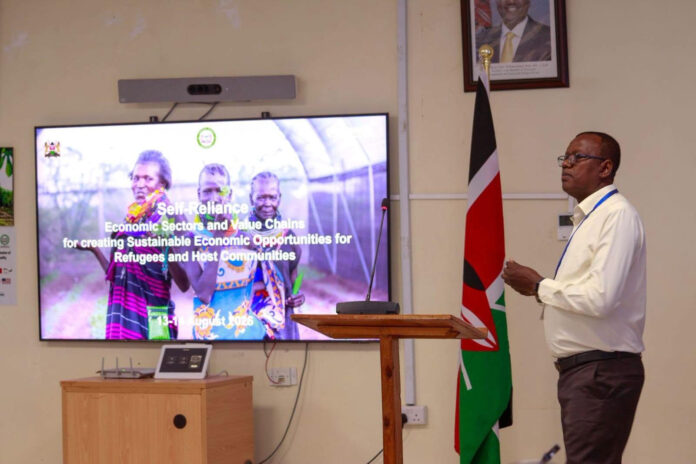
TURKANA – Turkana County has taken a major step toward strengthening economic development for both refugees and host communities with the launch of the KISEDP Integrated Management Information System (KIMIS), a digital platform expected to improve planning and guide investment decisions in Kakuma and Kalobeyei.

Speaking during the opening of a two-day training for government officers and development partners, Deputy Governor Dr. John Erus said KIMIS was designed to solve a long-standing challenge of fragmented and inadequate data. Dr. Erus noted that KIMIS will provide the relevant information needed for informed decision-making while reducing duplication of efforts and wastage of resources.

He added that the system is aligned with the County Integrated Development Plan and the national Shirika Plan, prioritizing agriculture, livestock, trade, transport, regional commerce, the circular economy, and emerging value chains. As a county, leadership remains committed to working closely with national government agencies and development partners to ensure both refugees and host communities benefit from sustainable economic opportunities.

Turkana County Commissioner Julius Kavita welcomed the initiative, emphasizing that the timing is critical given renewed economic activity in the region. Kavita highlighted that the recent resumption of oil and gas exploration, alongside emerging gold mining activities, presents significant economic opportunities for Turkana. He also praised residents and security agencies for maintaining peace, noting that stability creates an environment conducive for investment and resource exploitation.

UNHCR Kakuma Sub-Office Head Sateesh Nanduri stated that KIMIS has already compiled critical baseline data to support planning. He explained that information is now available on workforce skills, sports talent, registered businesses, and plastic waste volumes to support the circular economy, signaling Kakuma’s readiness to transition from humanitarian assistance toward self-reliance and sustainable development.

Department of Refugee Services Kakuma Camp Manager Thomas Siele highlighted the commercial potential in the region, noting that with more than 300,000 refugees and over 200,000 host community members, Kakuma represents the largest consumer market in Turkana and the wider region with massive potential for trade and enterprise.

Meanwhile, Deputy Director of Partnerships Michael Aupe noted that implementing partners will be required to submit additional baseline information before KIMIS is rolled out to the public, adding that the ongoing training is expected to produce concrete recommendations on market constraints, strategic partnerships, priority value chains, and long-term development plans.

County officials remain confident that KIMIS will help both government bodies and development partners track progress, avoid duplication, and target resources to areas with the greatest need. For refugees and host communities alike, the system is expected to open new pathways for jobs, business growth, and improved service delivery as Turkana continues to implement KISEDP the county’s flagship programme for integrating communities through shared infrastructure, livelihoods, and economic opportunities.

President Ruto orders immediate overhaul of Kenya’s creative sector, music royalties, and School arts festivals

0

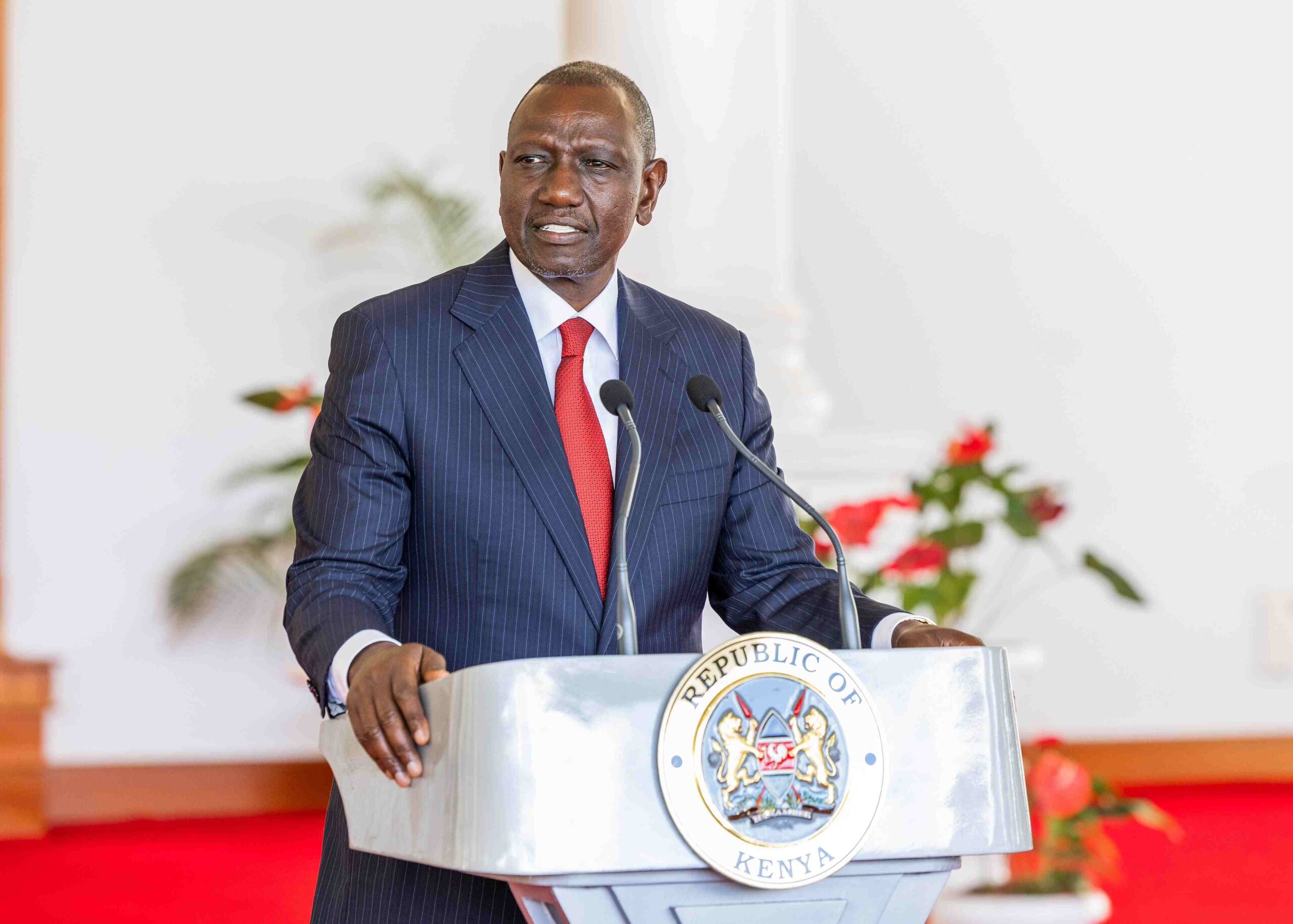
President William Ruto has declared sweeping, immediate reforms across Kenya’s creative economy, music royalty distribution, and school talent competitions, aimed at protecting artists from middlemen and commercializing youth talent nationwide.

Speaking during state concerts hosting winners of the Kenya National Drama and Music Festivals, the Head of State outlined a radical blueprint to restructure how music, art, and school events are organized and funded.

All collection and payout of music royalties are moving directly to the government’s e-Citizen platform to eliminate cartels and brokers.

Collective Management Organisations (CMOs) must ensure at least 70% of royalties reach artists directly, with non-compliant licenses facing immediate revocation.

The Permanent Presidential Music Commission (PPMC) is being renamed the Permanent Creative Economy Commission (PCEA) to cover all visual, performing, and digital arts under a single umbrella.

National Drama and Music Festivals will now receive direct, predictable allocations as a dedicated line item in the Ministry of Education’s budget.

School events will no longer end at regional or national stages; student talent will be monetized, profiled, and bridged into professional careers.

President Ruto expressed frustration over long-standing complaints from musicians regarding opaque royalty distributions by third-party collective management organizations.

“For too long, royalty collection has lacked transparency. We have instances where millions were collected, but artists received a fraction while brokers walked away with the rest. This ends now. Royalty distribution is moving to e-Citizen so that every shilling collected is visible in real time.”

Under the new directives, enforcement by the Kenya Copyright Board (KECOBO) will track allocations digitally, ensuring maximum financial return for content creators.
Addressing the future of school-level arts, President Ruto emphasized that school