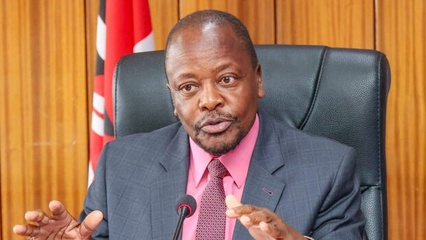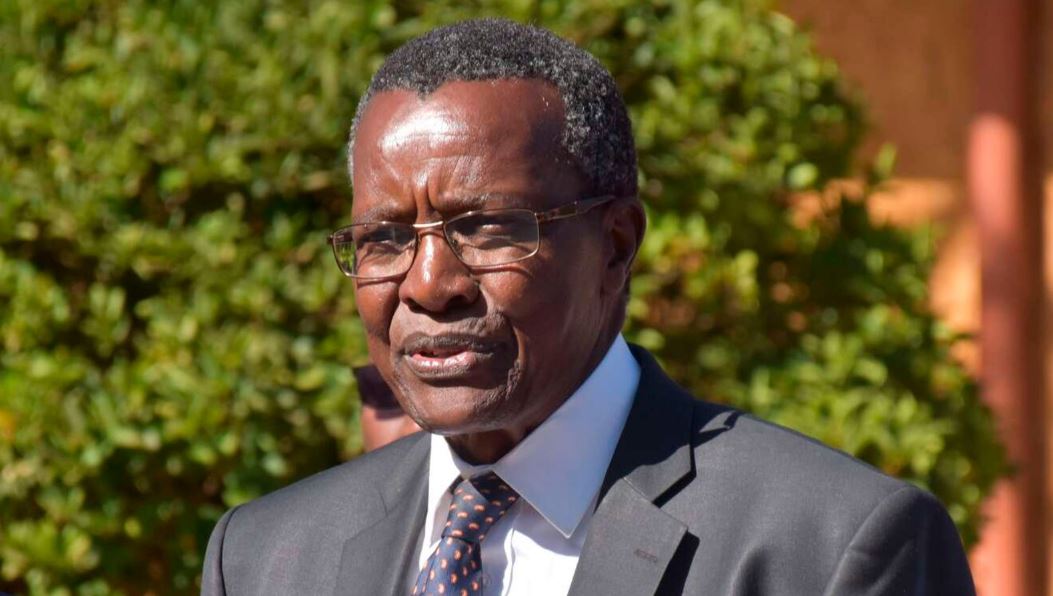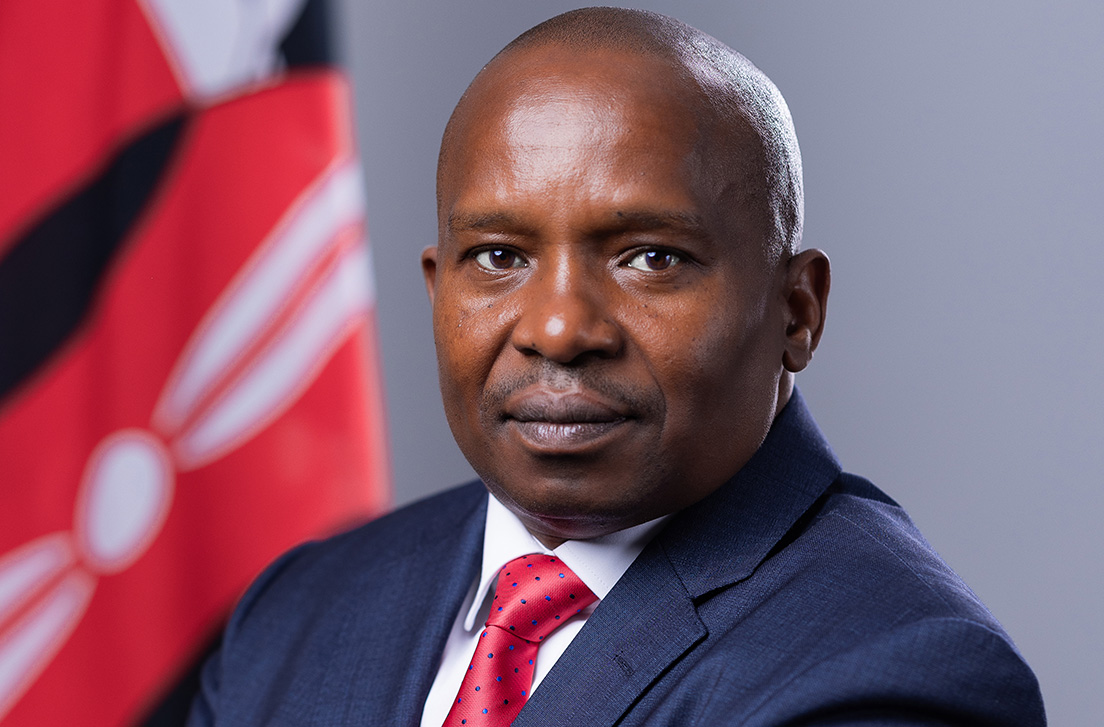
A three-judge bench has upheld the appointment of Professor Kithure Kindiki as Deputy President, ruling that the process was constitutional and did not require public participation. The judgment was delivered on Monday by Justices Eric Ogola, Anthony Mrima, and Dr. Freda Mugambi.
The court explained that Article 149 of the Constitution explicitly outlines how the position of the Deputy President should be filled when it becomes vacant due to death, resignation, or removal from office. According to this article, the President nominates a person to fill the vacancy with the approval of the National Assembly.
The judges noted that because this process is strictly constitutional and procedural, it does not require public consultation. Consequently, they agreed that the appointment of Professor Kindiki was conducted in full compliance with constitutional requirements.
Concurrently, the court pointed out that Article 150 of the Constitution lacks a comprehensive legal framework to guide the process of removing a Deputy President from office. The judges warned that this loophole could raise procedural questions and undermine public trust in government institutions.
Court Order: In light of this gap, the court has directed Parliament to expedite the enactment of specific legislation that will govern the removal of a Deputy President from office under Article 150 of the Constitution.
However, the bench emphasized that the absence of such legislation does not invalidate the impeachment of former Deputy President Rigathi Gachagua. The court stated that Parliament relied on existing provisions within the Constitution—specifically Articles 144 and 145—which provide the minimum constitutional threshold for conducting the process while ensuring that the rights of the concerned party are protected.